

Dental Bridges Brisbane CBD & Spring Hill
A missing tooth can affect more than the appearance of your smile. The space may make chewing less comfortable, change how certain words sound and allow nearby teeth to gradually move out of position.
At Excellence in Dentistry, we provide custom dental bridges for patients across Brisbane CBD and Spring Hill. A bridge fills the space left by one or more missing teeth using a fixed restoration designed to restore function and blend with the surrounding smile.
Before recommending treatment, your dentist will assess the gap, neighbouring teeth, gums and bite to determine whether a bridge is a suitable option.
How Does A Dental Bridge Replace A Missing Tooth?
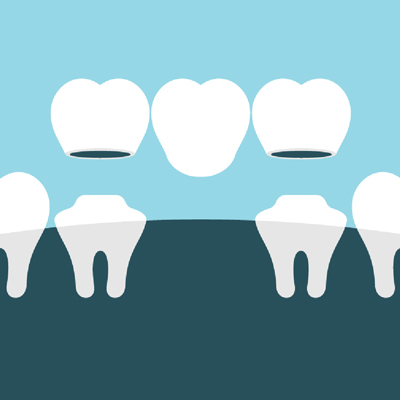
A dental bridge is a fixed restoration used to fill the space left by a missing tooth. The replacement tooth, known as a pontic, sits within the gap and is supported by teeth or dental implants on either side.
A traditional bridge is commonly held in place by crowns fitted over suitable neighbouring teeth. These dental crowns protect and support the bridge while helping distribute pressure during chewing.
Dental bridges may help:
- Restore the appearance of a complete smile
- Improve chewing across the affected area
- Support clearer speech where the gap affects pronunciation
- Reduce movement of neighbouring teeth into the open space
- Distribute biting pressure more evenly
The design and material used will depend on the location of the missing tooth, the condition of the supporting teeth and how much pressure the bridge will carry.
Is A Dental Bridge Suitable For Your Smile?
A bridge requires a stable foundation. Before treatment begins, your dentist will examine the teeth beside the gap to determine whether they can safely support the restoration.
The assessment may include:
- The strength of the neighbouring teeth
- Existing fillings, crowns or cracks
- The health of the surrounding gums
- The amount of bone supporting the teeth
- The way the upper and lower teeth meet
- The patient’s ability to clean beneath the bridge
Any active decay or gum disease will usually need to be managed before the bridge is prepared.
A bridge may not be the preferred option when the supporting teeth are significantly weakened or when preserving untouched neighbouring teeth is a priority. In these situations, your dentist can explain other ways of replacing the missing tooth.
Types Of Dental Bridges
The most appropriate bridge design depends on the position of the gap and the available support.
Traditional Dental Bridge
A traditional bridge uses crowns on the teeth beside the gap. These crowns hold the replacement tooth securely between them.
This design is commonly considered when suitable natural teeth are present on both sides of the missing tooth.
Cantilever Bridge
A cantilever bridge gains support from a tooth on only one side of the gap. It is used selectively because the supporting tooth carries more pressure than it would with a traditional bridge.
Resin-Bonded Bridge
A resin-bonded bridge uses small wings attached to the back of neighbouring teeth. It generally requires less alteration to those teeth and may be considered in suitable areas where biting forces are lower.
Implant-Supported Bridge
An implant-supported bridge is secured by dental implants rather than natural teeth. It may be considered when several adjacent teeth are missing or when the neighbouring teeth are not appropriate bridge supports.
Your dentist will explain which designs may be appropriate after assessing the location of the gap and the health of the surrounding mouth.
What Happens During Dental Bridge Treatment?
Treatment usually takes place over more than one appointment. The exact steps depend on the bridge design and the condition of the supporting teeth.
Examination And Planning
Your dentist begins by examining the missing-tooth space, supporting teeth, gums and bite. Dental X-rays or digital scans may be used to assess the foundations beneath the gumline.
This appointment is also an opportunity to compare a bridge with other replacement options and discuss the expected appearance, maintenance and treatment timeline.
Preparing The Supporting Teeth
For a traditional bridge, the teeth beside the gap are reshaped so crowns can fit securely over them. Local anaesthetic is used during preparation.
The amount of tooth structure adjusted depends on the existing condition of the teeth and the material selected for the bridge.
Digital Scan Or Impression
A detailed record is taken of the prepared teeth, the gap and the way the teeth meet. This allows the final bridge to be made to the required shape and fit.
Temporary Restoration
A temporary bridge is usually placed while the final restoration is being produced. It protects the prepared teeth and helps maintain appearance and function between appointments.
Because the temporary restoration is designed for short-term use, patients may be advised to avoid very hard or sticky foods until the permanent bridge is ready.
Fitting The Final Bridge
At the placement appointment, the temporary restoration is removed and the final bridge is checked for fit, colour and bite.
Once the dentist and patient are satisfied, the bridge is securely bonded or cemented into position. Small bite adjustments may be completed before the appointment ends.
Dental Bridge Materials And Appearance
Dental bridges can be made from several restorative materials. Selection depends on the location of the bridge, the forces placed on it and how visible it is when smiling.
Ceramic And Porcelain Bridges
Ceramic and porcelain materials can be shaded to resemble natural tooth enamel. They may be considered where appearance is an important part of treatment planning.
Zirconia Bridges
Zirconia provides strength and may be used in areas exposed to heavier chewing pressure. It is also tooth-coloured and can be shaped to fit alongside natural teeth.
Porcelain-Fused-To-Metal Bridges
These bridges combine an internal metal framework with an external porcelain surface. They provide structural support while maintaining a tooth-coloured appearance.
Your dentist will discuss the advantages and limitations of suitable materials before the bridge is made.
Dental Bridge, Implant Or Denture: How Do The Options Differ?
A bridge is one of several ways to replace a missing tooth. The most suitable treatment depends on the gap, surrounding teeth, oral health and personal preferences.
Dental Bridge
A bridge is fixed in place and commonly receives support from the neighbouring teeth. It does not require patients to remove it for cleaning, although the area underneath requires a specific flossing technique.
Dental Implant
A dental implant replaces the missing tooth root and supports a separate crown. It does not rely on neighbouring teeth, but treatment involves surgery and depends on bone and gum health.
Patients can explore tooth replacement supported by dental implants where clinically appropriate.
Removable Denture
A removable denture can replace one tooth, several teeth or a larger section of the dental arch. It is taken out for cleaning and may suit patients who are not candidates for fixed treatment or who prefer a removable option.
A consultation allows your dentist to explain how each option may affect treatment time, neighbouring teeth, maintenance and everyday function.
Cleaning Beneath A Dental Bridge
A bridge cannot be cleaned in exactly the same way as an individual natural tooth because the replacement tooth is joined to its supporting crowns or framework.
Plaque and food can still collect beneath the bridge and around the supporting teeth. Daily cleaning is therefore important for protecting the gums and the natural teeth holding the restoration in place.
Suitable cleaning aids may include:
- Floss threaders
- Super floss
- Interdental brushes
- A water flosser where recommended
Your dentist or hygienist can demonstrate how to pass the cleaning aid beneath the bridge without damaging the surrounding gums.
Regular dental check-ups and professional cleans also allow the bridge margins, supporting teeth and gum health to be monitored.
How Long Can A Dental Bridge Last?
A dental bridge is designed for long-term use, but its lifespan varies from one patient to another.
Factors that can influence longevity include:
- The health of the supporting teeth
- Daily brushing and cleaning beneath the bridge
- Teeth grinding or clenching
- The location of the restoration
- Diet and biting habits
- Attendance at routine dental reviews
The bridge itself cannot develop decay, but the natural supporting teeth remain vulnerable around the crown margins. Early detection of gum inflammation, decay or changes in the bite can help protect the restoration.
Patients who clench or grind may be advised to wear a custom night guard to reduce pressure on the bridge.
Dental Bridges For Brisbane CBD And Spring Hill Patients
Our clinic is located on Wickham Terrace in Spring Hill, providing convenient access for patients who live or work in Brisbane CBD and surrounding inner-city areas.
Patients visit for assessment of recently lost teeth, older gaps, failing restorations and difficulty chewing around a missing-tooth space. During the consultation, the dentist examines the gap and surrounding structures before explaining whether a traditional bridge, implant-supported restoration or removable option may suit the situation.
Smile Brighter
With your new dental bridge, you don’t have to worry about hiding gaps in your smile anymore. Call today to schedule an appointment and see if this option is right for you.
Any invasive or surgical procedure may carry risks. Before moving forward, it is recommended that you seek a second opinion from an appropriately licensed medical professional.
Frequently Asked Questions
Does A Dental Bridge Require The Teeth Beside The Gap To Be Reshaped?
A traditional bridge usually requires the supporting teeth to be prepared so crowns can fit over them. The extent of preparation depends on the condition of those teeth and the bridge material. A resin-bonded bridge or dental implant may be discussed when preserving neighbouring tooth structure is a priority.
Can Food Become Trapped Under A Dental Bridge?
Food and plaque can collect beneath a bridge if the area is not cleaned thoroughly. Floss threaders, interdental brushes and other recommended cleaning aids can reach underneath the replacement tooth. Your dental team can demonstrate the most suitable method.
Is A Bridge Fixed Or Removable?
A conventional dental bridge is fixed in place and is not removed by the patient. A dentist can remove it if repair or replacement becomes necessary. Removable dentures work differently and are taken out for daily cleaning.
Can A Bridge Replace More Than One Missing Tooth?
A bridge may replace more than one adjacent missing tooth, provided suitable support is available. The length of the gap, condition of the neighbouring teeth and biting forces must be assessed before deciding whether a bridge is appropriate.
What Happens If A Supporting Tooth Develops A Problem?
The bridge depends on the health of its supporting teeth. If decay, fracture or gum disease affects one of them, the bridge may need to be removed or replaced while the tooth is treated. Regular examinations help identify problems as early as possible.
Will A Dental Bridge Look Natural?
The bridge is designed to fit the available space and coordinate with surrounding teeth. Tooth shape, shade, material and gum position all influence its appearance. Your dentist will discuss realistic expectations during planning.
Restore The Space Left By A Missing Tooth
A missing tooth can affect chewing, speech and the stability of surrounding teeth. Excellence in Dentistry provides customised dental bridges for patients from Brisbane CBD, Spring Hill and nearby inner-city areas.
Book a consultation to have the gap, neighbouring teeth and bite assessed and discuss whether a dental bridge or another replacement option may be suitable.