

Dental Crowns Brisbane CBD & Spring Hill
Strengthen and Restore Your Smile—All in One Visit
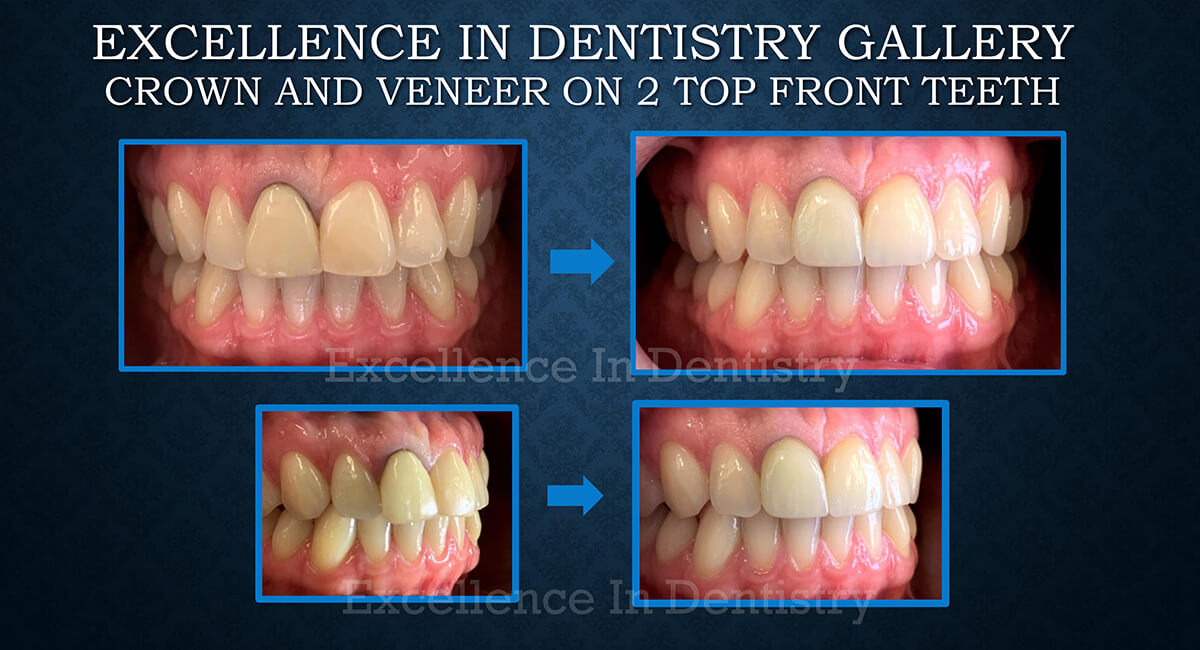
At Excellence in Dentistry, we provide dental crowns for patients across Brisbane CBD and Spring Hill. From same-day CEREC® restorations to traditional porcelain and zirconia crowns, each treatment is planned to protect the remaining tooth, restore comfortable function and create a natural appearance that complements the surrounding teeth.
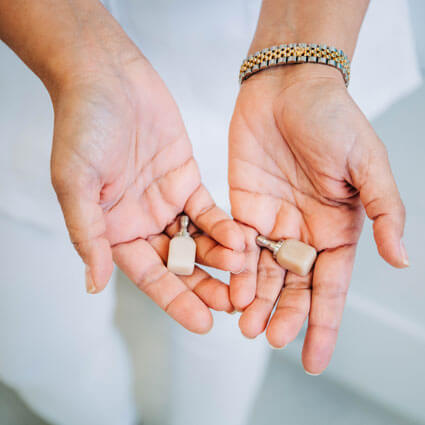
What Are Dental Crowns and Why Are They Needed?
A dental crown is a custom restoration that fits over a damaged, weakened or heavily restored tooth. It helps reinforce the remaining structure while restoring the tooth’s shape, appearance and ability to withstand normal biting pressure.
Crowns may be recommended when a tooth has fractured, contains a large filling, has undergone root canal treatment or no longer has enough healthy structure for another filling to provide reliable support.
- Repairing broken or cracked teeth
- Strengthening teeth post-root canal
- Restoring large cavities or worn-down fillings
- Improving the shape or colour of a tooth
- Supporting dental bridges or implants
“Does your filling keep falling out? That tooth may need the strength of a crown,” – Dr Marc Malek (Dentist).
When Might A Crown Be Recommended Instead Of Another Filling?
A filling repairs a specific area of a tooth and may be suitable when enough healthy structure remains around the damage. A crown covers more of the visible tooth, providing broader protection when the remaining structure has become significantly weakened.
Your dentist will consider the size of the existing filling, the location of any cracks, the amount of enamel remaining and the pressure placed on the tooth during biting. A crown may be recommended where another filling is unlikely to provide adequate long-term support.
Not every heavily filled tooth needs a crown immediately. In some cases, monitoring may be appropriate. The recommendation depends on the condition of the tooth and its risk of further fracture.
A Skilled Team of Professionals
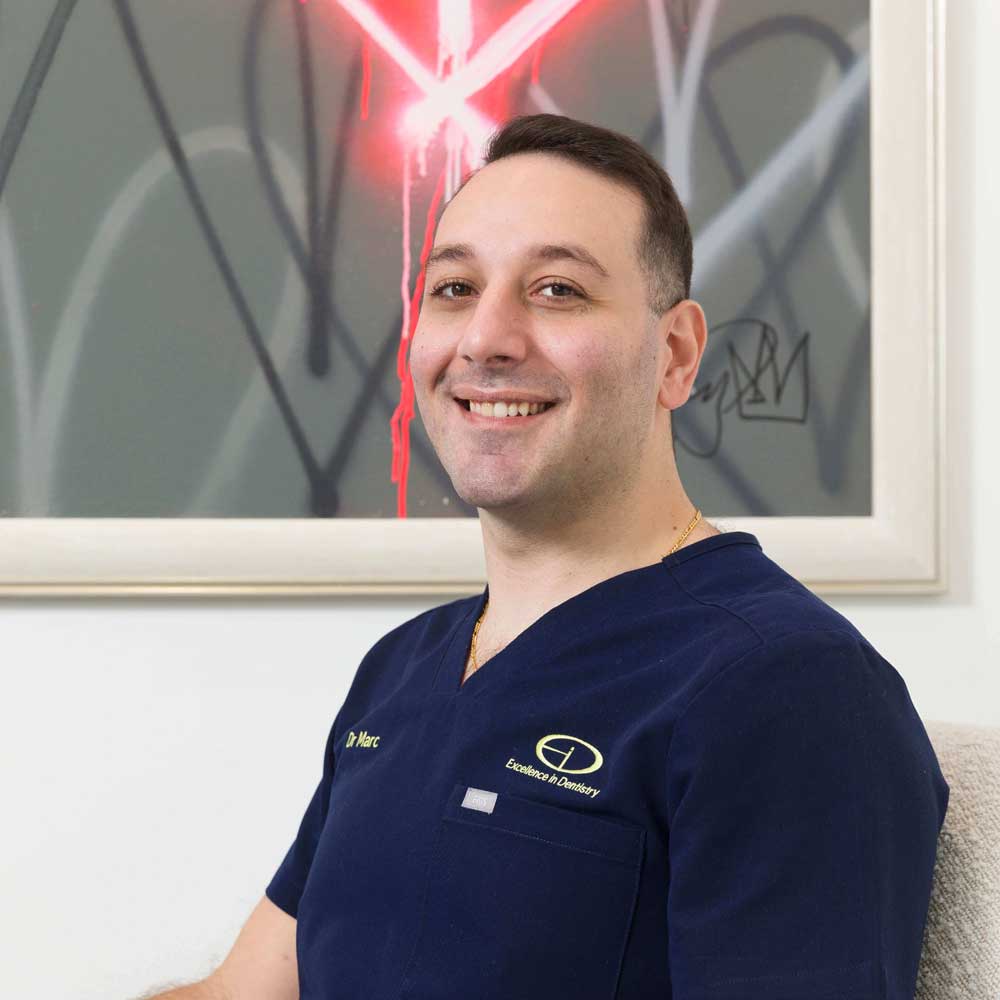
Dr Marc Malek (Dentist) is a valued member of our dental team. Inspired from a young age by family members in healthcare, he brings a warm, patient-first approach to dentistry. A Griffith University graduate, he holds a Bachelor of Oral Health in Dental Science and a Graduate Diploma of Dentistry.
Marc is highly skilled in restorative dentistry, including same-day crowns and amalgam removal, following IAOMT and IABDM guidelines. Fluent in English, Arabic, and basic French, he connects with a wide range of patients and puts even the most anxious at ease.
Same-Day Dental Crowns With CEREC Technology
For suitable cases, CEREC technology allows the crown to be digitally scanned, designed, milled and fitted during one appointment. This avoids the need for conventional impressions, temporary crowns and a return visit for placement.
The same-day process involves four stages:
Digital Scan
A three-dimensional camera records the prepared tooth, neighbouring teeth and bite. The scan provides the measurements required to design the restoration without traditional impression material.
Crown Design
Your dentist uses CAD software to plan the shape, contact points and biting surface of the crown. The design is adjusted to fit the prepared tooth and work comfortably with the opposing teeth.
On-Site Milling
The restoration is milled from a ceramic block within the clinic. Once produced, it is refined and characterised to suit the surrounding teeth.
Placement & Bite Assessment
The crown is checked for fit, colour and bite before being securely bonded. Minor adjustments can be made during the same appointment where required.
This precise, time-saving method offers excellent aesthetics, strength, and convenience, helping you get back to smiling sooner.
Want to skip the wait? Call us to schedule your same-day crown consultation.
Patients can learn more about the clinic’s in-house digital crown technology and how it differs from conventional laboratory-made restorations.
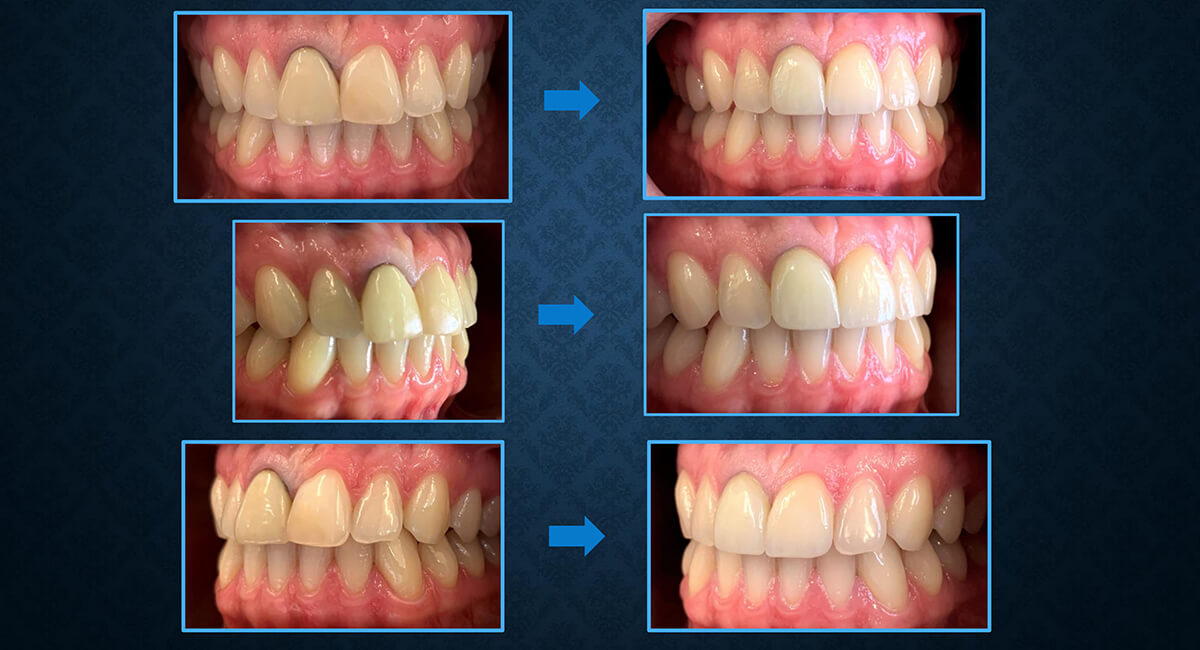
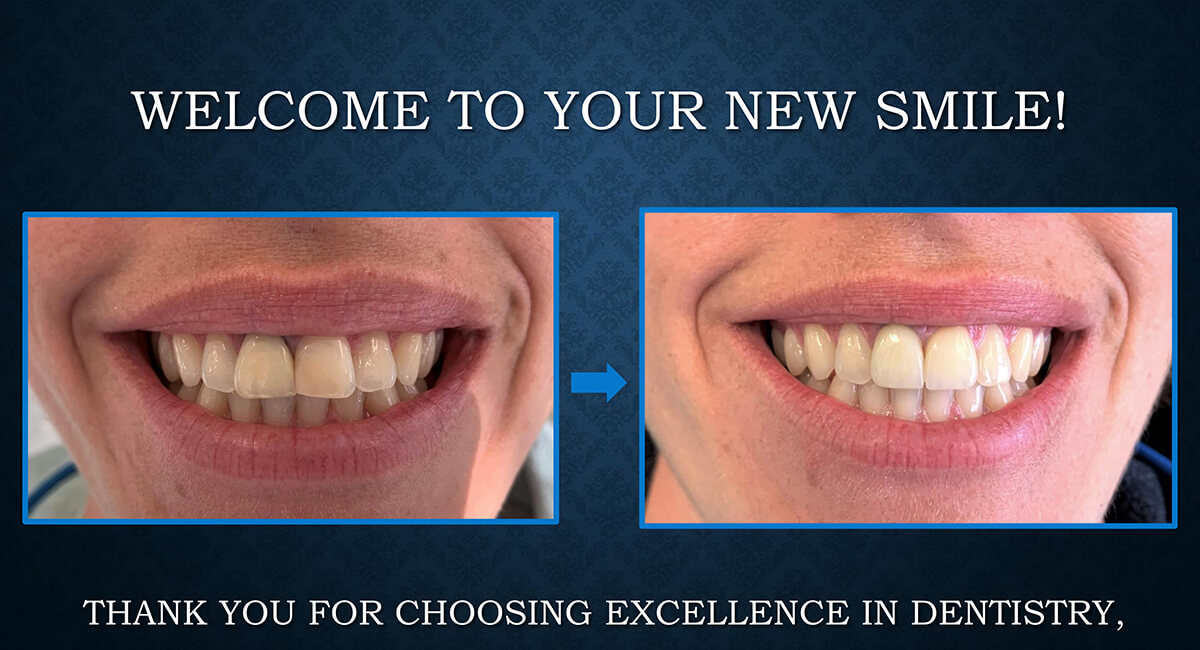
When A Traditional Laboratory Crown May Be Considered
Traditional crowns remain appropriate for cases that require specific materials, detailed laboratory characterisation or a more complex restorative approach.
Treatment usually takes place over two appointments. During the first visit, the tooth is prepared, an impression or digital scan is taken and a temporary crown is fitted. The final restoration is then produced by a dental laboratory and permanently placed at the second appointment.
Your dentist will explain whether a same-day CEREC crown or a laboratory-made crown is better suited to the location, condition and functional demands of the tooth.
Caring For The Tooth Beneath Your Crown
A crown cannot develop decay, but the natural tooth underneath it can still be affected near the restoration’s margins. Daily plaque control and routine dental reviews remain important after treatment.
To look after a crown:
- Brush twice each day using fluoride toothpaste.
- Clean carefully between the crowned tooth and neighbouring teeth.
- Avoid chewing ice or using teeth to open packaging.
- Wear a prescribed night guard if you clench or grind.
- Attend regular dental check-ups and professional cleans.
During review appointments, the dentist can assess the crown margins, surrounding gums, bite and underlying tooth for changes that may require attention.
Choosing A Crown Material For Strength And Appearance
Crown materials are selected according to the position of the tooth, the force it carries and how visible it is when you smile.
Zirconia Crowns
Zirconia is known for its strength and is often considered for back teeth exposed to heavier chewing forces. It is metal-free and can be shaped and coloured to blend with nearby teeth.
Porcelain And Ceramic Crowns
Porcelain and ceramic materials can closely reproduce the colour and translucency of natural enamel. They are commonly considered for visible teeth where shade, surface texture and appearance are important.
There is no single material that suits every tooth. Your dentist will assess the biting load, available tooth structure and aesthetic requirements before recommending an option.
When Is A Same-Day Crown Suitable?
Same-day crowns can be considered for many damaged, heavily restored or root canal-treated teeth. However, the most appropriate method depends on the condition of the tooth, the chosen material and the complexity of the restoration.
Some cases benefit from laboratory fabrication, particularly when several restorations are being coordinated or detailed customisation is required. Your dentist will explain the available options after examining the tooth and reviewing your bite.
How Crowns Can Support A Dental Bridge
Crowns are sometimes used as part of a fixed dental bridge. In this type of restoration, crowns are fitted over suitable teeth beside a gap and connected to a replacement tooth positioned between them.
The supporting teeth must be assessed for strength, gum health and their ability to carry the additional load. Patients replacing a missing tooth can read more about how a fixed dental bridge is supported before discussing the available options with their dentist.
Dental Crown Costs In Brisbane CBD And Spring Hill
The cost of a dental crown at our clinic generally ranges from $1,200 to $2,400. The final fee depends on factors such as the material selected, whether the restoration is produced on-site or by a laboratory, and the complexity of preparing and restoring the tooth.
A written treatment plan and personalised quote are provided after your dentist has examined the tooth. Some private health funds may contribute towards crowns under major dental cover, depending on the patient’s policy and remaining benefits.
Flexible dental payment options are also available for eligible patients.
Dental Crowns For Brisbane CBD And Spring Hill Patients
Our clinic is located on Wickham Terrace in Spring Hill, close to Brisbane CBD for patients seeking restorative treatment near work, home or public transport.
Patients visit for assessment of cracked teeth, repeated filling failure, significant tooth wear and teeth weakened by root canal treatment. A consultation allows the dentist to determine whether a same-day CEREC crown, traditional laboratory restoration or another treatment may be appropriate.
Frequently Asked Questions
Are dental crowns painful to get?
The crown procedure is not painful. We use local anaesthetics to ensure complete comfort during preparation and fitting. You may feel mild tenderness or sensitivity for a day or two after the procedure, but this is temporary and manageable with over-the-counter pain relief if needed.
How long do zirconia and porcelain crowns last?
With proper oral hygiene and care, zirconia and porcelain crowns may last 10 to 15 years or longer. Avoid chewing on ice or grinding your teeth. Regular check-ups and good brushing and flossing habits can further extend their lifespan.
Can I get a crown in one visit?
Yes. Our advanced CEREC system allows most patients to receive a high-quality ceramic crown in a single appointment. The same-day option is ideal for those who want to avoid temporaries and multiple visits. Your eligibility depends on tooth condition and placement.
Does insurance cover dental crowns?
Most private health funds include crowns under their major dental coverage. We’ll help you check your benefits and process your claim. For patients without cover, we offer flexible payment options to spread out the cost of care.
Can I eat normally with a crown?
Yes, once the crown is fitted and bonded, you can eat as normal. We recommend avoiding extremely hard or sticky foods for the first 24 hours. Ongoing care with your crown is similar to natural teeth—daily brushing, flossing, and avoiding grinding are key.
What if my tooth is too damaged?
With severely damaged teeth, we may place a post inside the root canal to help support the crown. This gives the crown added stability and improves long-term function. We’ll assess your tooth’s condition thoroughly before recommending the best option.
Do I Need A Crown If My Large Filling Has Not Broken?
Not necessarily. Your dentist will consider how much natural tooth remains, whether fine cracks are present and how much pressure the tooth carries during biting. Continued monitoring may be appropriate in some situations. A crown may be advised when the remaining tooth is considered vulnerable to fracture or unable to support another filling reliably.
Is A Crown Always Needed After Root Canal Treatment?
Not every root canal-treated tooth requires the same restoration. Back teeth often need additional protection because they carry greater biting forces and may have already lost substantial structure. Front teeth may sometimes be restored differently. Your dentist will assess the tooth’s location, remaining structure and fracture risk before recommending a crown.
Restore And Protect A Damaged Tooth
A cracked, heavily filled or weakened tooth should be assessed before further damage occurs. Excellence in Dentistry provides dental crowns for patients from Brisbane CBD, Spring Hill and surrounding inner-city areas, including suitable same-day CEREC restorations.
Book a consultation to discuss the condition of your tooth and the restorative options available.